Fire Safety & Prevention
Prevent House Fires: Fire-Safety Upgrades for Older Homes
Learn the most important fire-safety upgrades for older homes and how to reduce the risk of house fires and insurance losses.

Cleveland Public Adjusters
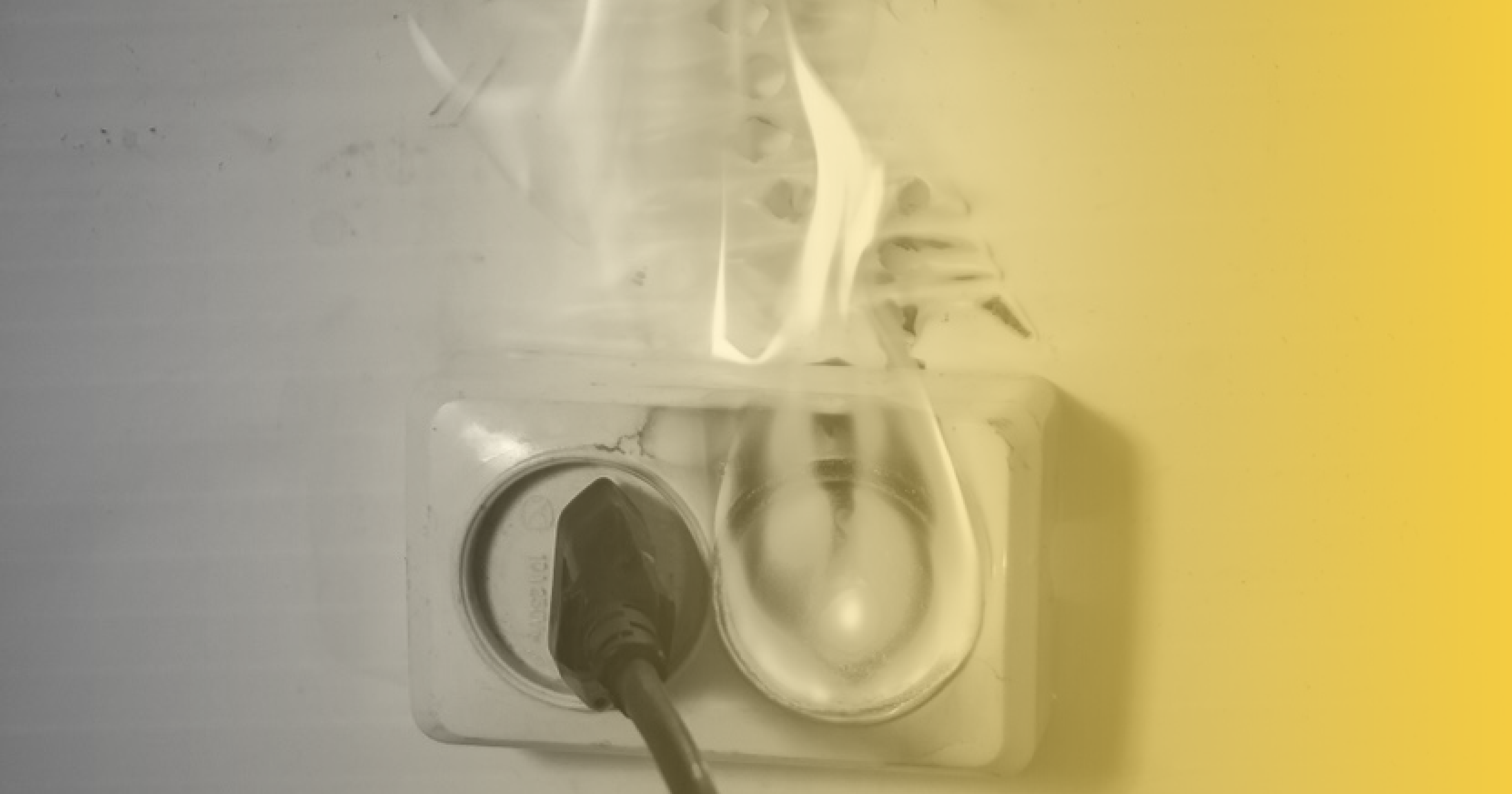
Owning an older home makes fire prevention even more important. Making some high-priority upgrades can dramatically reduce the risk of a house fire and protect your home insurance coverage.
1. Placing Smoke Detectors Correctly
While this may seem obvious to some, you would be surprised by how many people ignore a broken smoke detector or remove theirs completely. Many people mistakenly place their detector too close to the stove in their kitchen and become irritated when it goes off every time they cook a meal.
Try installing the smoke detector far enough away from cooking appliances that it will not trigger, and be sure you have battery reserves as well. Most experts recommend that every room where a person sleeps should have a smoke detector. Albeit expensive, sprinklers are also recommended to keep your home extra safe from fires. Working smoke detectors are one of the most effective ways to prevent a house fire from becoming a major loss.
2. Updating Proper Roofing
The roof is the most vulnerable part of your home and, unfortunately, is most commonly built using wood or shingles. These materials are highly flammable and should be avoided if you are renovating. For maximum safety, re-build your roof using clay or tile and cover any gaps between the roof decking and covering to avoid any embers falling through and spreading the fire further.
3. Rebuilding Walls
Similar to roofing, walls are usually built using flammable wood materials like shingles or panels. These are especially dangerous to use if you live in a fire-prone area.
To keep your home safe and fire-resistant, rebuild your walls using ignition-resistant materials such as stucco, fiber cement wall siding, retardant, or treated wood. Make sure you extend the materials from the foundation to the roof.
This will also keep the fire from spreading to houses surrounding your own.
4. Keeping Your Gutters Clean
Cleaning your gutters isn’t the most exciting chore to do, but it is essential to ensure your house is safe from fire damage. You may opt to enclose your gutters to avoid repeated cleaning by using a noncombustible gutter cover.
For additional protection, consider installing a corrosion-resistant metal drip edge on your roof.
5. Maintaining the Chimney
Keep your chimney flue closed when your chimney is not in use, and install non-flammable metal screens to both stovepipe outlets and your chimney. It’s recommended that the metal screens have openings no smaller than ⅜ inch and no larger than ½ inch to keep any embers from falling through.
6. Remembering to Protect the Garage
It’s a good idea to keep fire-extinguishers as well as other tools stocked in your garage in case of an emergency. A shovel, rake, bucket, and hose are some items you might include in your emergency kit.
You should also keep a battery backup for your garage door motor to ensure you have a safe exit in case your power goes out.
7. Avoiding Arc Faults
One of the leading causes of household fires is what is called arc faults. This term refers to old and frayed wiring within older houses that are at risk of igniting a fire. Electrical issues are one of the top causes of house fires, especially in older homes.
When too many electrical devices are plugged into outlets within the home, you increase the risk of a fire. This risk is magnified when an older house has arc faults.
In this case, the best option is to replace your house’s circuit breaker. Arc fault circuit interrupters (AFCIs) are a great way to reduce the risk of electrical fire due to an arc fault.
According to the EFSI, arc faults cause 30,000 household fires every year. Experts estimate that up to 50 percent of household fires can be prevented by installing an AFCI.
AFCIs work by detecting when a dangerous ignition occurs within the house’s wiring, and immediately cutting power to the circuit before a fire can even start. Upgrading electrical systems also reduces the likelihood of denied home insurance claims after a fire.
Cleveland Public Adjusters Will Help You With a Fire Damage Claim
It’s a good idea to take all of the measures you can to keep your home safe from a fire, but in the event that your property does sustain fire damage, we are here to help.
If your home has suffered fire damage, Cleveland Public Adjusters can help you prepare a strong fire damage insurance claim. As the leading public adjuster in Ohio and surrounding states, we work for you—not the insurance company—to ensure you receive the full settlement you’re owed.